Why Do We Enjoy Pointing Out What’s Wrong?

Published at
13 Jan, 2026
Author
Gripastudio
What our judgments reveal when we think we’re just being honest
I was working on an article, sitting quietly at a café, when I overheard a familiar kind of conversation.
“I think the movie wasn’t that good,” someone said. “The story felt weak.” “The acting was mediocre.”
They sounded certain. Almost relieved.
On another day, after a concert, I heard a young man say proudly to his friend, “I know the music score very well. They played it wrong in the interlude.”
He smiled when he said it. Not annoyed. Satisfied.
And I caught myself wondering—not for the first time:
Why does pointing out what’s wrong feel so good?

The Small Pleasure of Being Right
There is a quiet satisfaction in noticing flaws.
It gives us a sense of sharpness. Of intelligence. Of standing just a little higher than what we are judging.
Perhaps that is why negativity feels more rewarding and travels faster than appreciation— why criticism so easily goes viral, while patience rarely does.
To point out a mistake costs little effort. To acknowledge the process takes patience.
Judgment gives us instant authority. Understanding asks us to slow down.
When Paying Feels Like Power
This habit has grown stronger in the age of reviews.
We comment as if paying gives us the right to decide what is worthy. As if money automatically grants perspective. As if our brief encounter outweighs years of someone else’s effort.
One sip of coffee. One watch of a movie. One experience.
Then comes the verdict.
One star. Two lines. Case closed.
But often, what we call a “review” is not meant to help. It is meant to assert.
To say: I know better.
And here is the uncomfortable truth.
A rushed judgment doesn’t reveal our taste.
It reveals our inability to see clearly. Our impatience. And how quickly we stop at the surface, instead of staying long enough to understand.
Sometimes, what we call honesty is simply a refusal to look deeper.
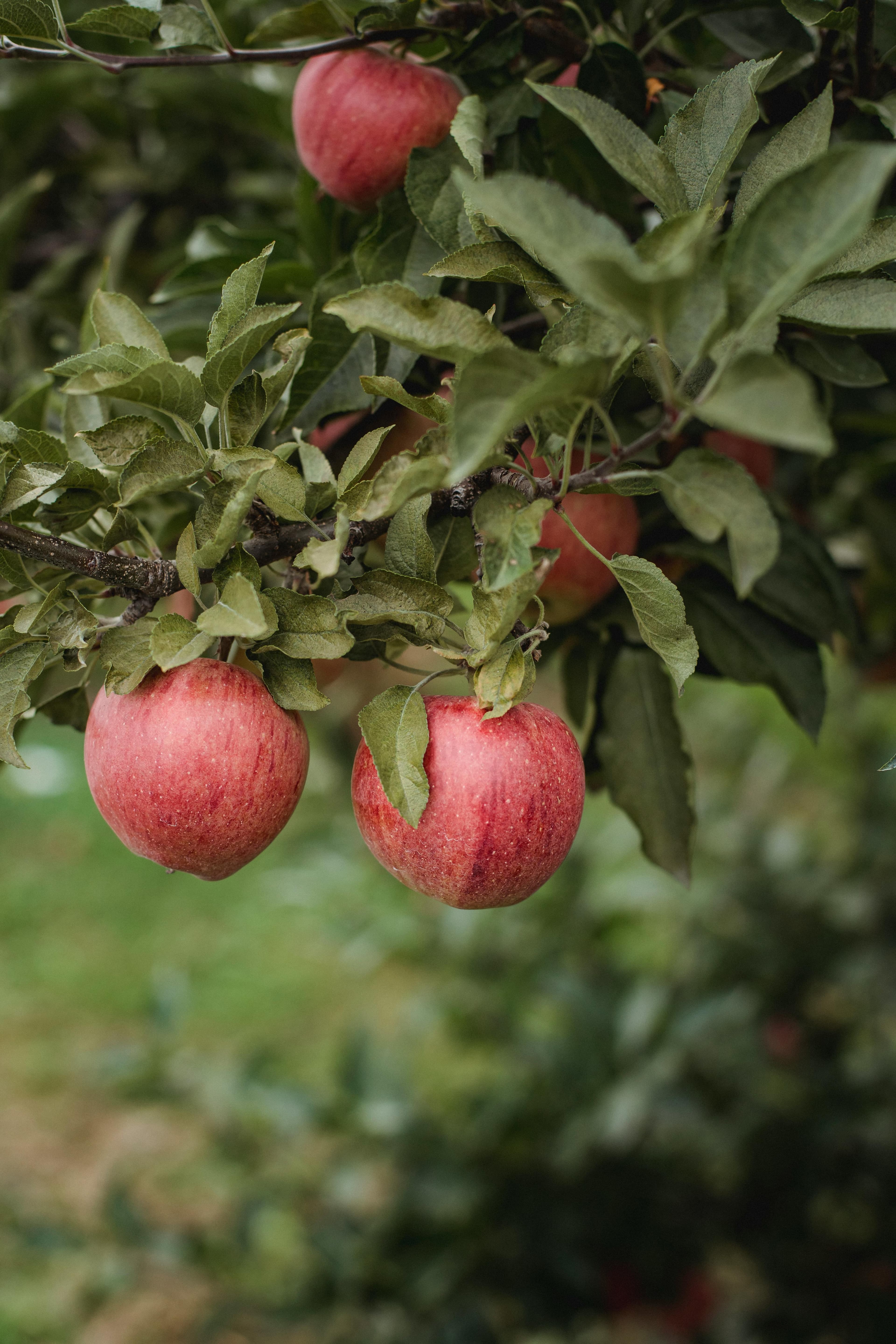
Judging the Fruit, Forgetting the Tree
It is easy to say the fruit is not sweet.
One bite is enough.
But we forget—or choose not to see— that the fruit was once a seed. That it needed soil, water, sunlight, time. That storms passed before it ever reached our hands.
We judge the result, while ignoring the journey.
In Javanese wisdom, there is a simple reminder:
"Ajining diri saka lathi". A person’s dignity is reflected in their words.
Not in how sharp our judgment sounds, but in how carefully it is offered.
Could We Do Better in Their Shoes?
Before we judge, it is worth asking a harder question.
If I were the one making the film, playing the music, brewing the coffee, leading the team—
with the same constraints, the same pressure, the same uncertainty—
would I have done better?
Judgment is easy when responsibility is absent.
Criticism costs little when we are not the ones carrying the weight.
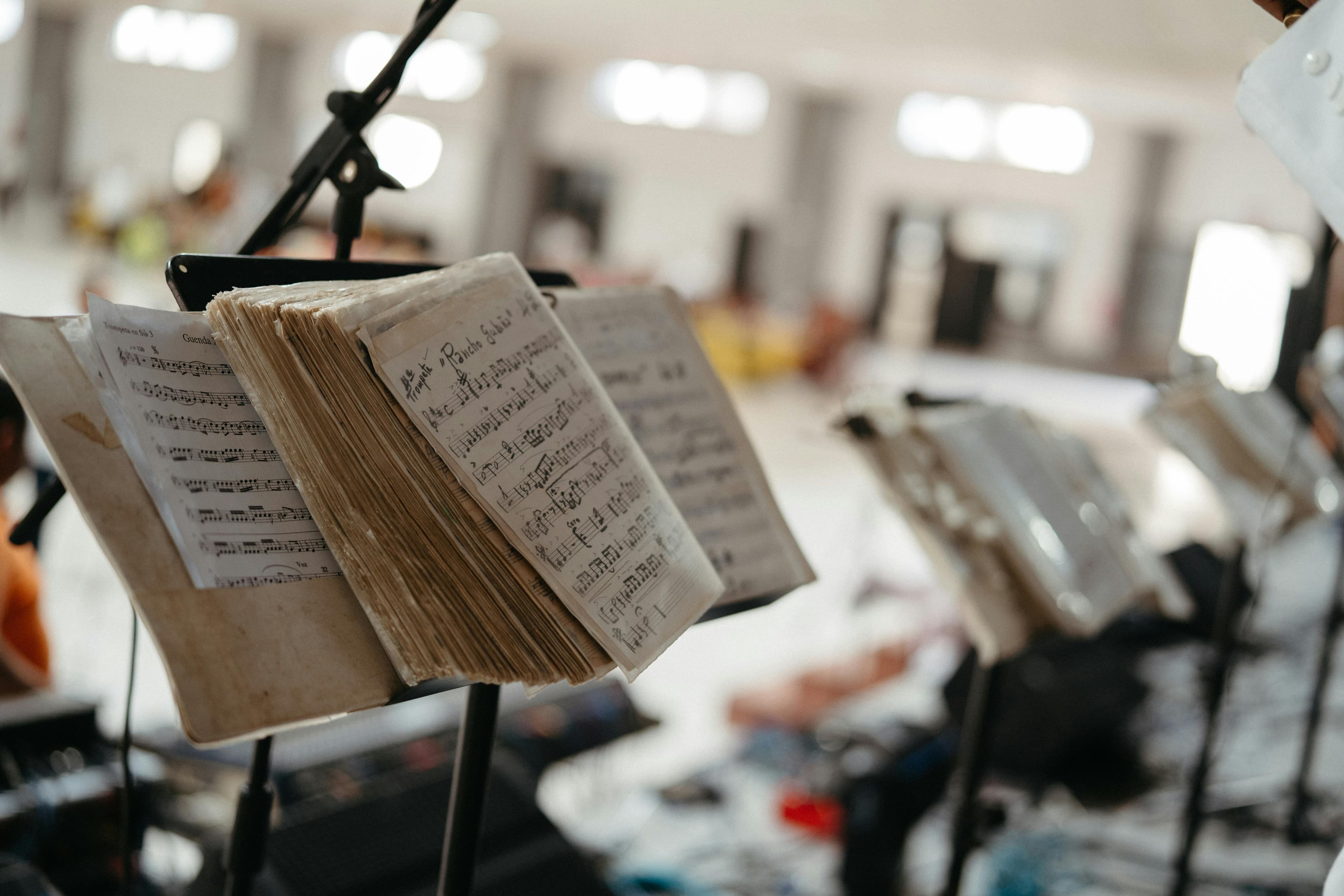
From Criticism to Contribution
A meaningful comment is not a verdict. It is a bridge.
There is a difference between saying, “This coffee is bad—don’t buy it,” and saying, “This could be better if…”
The first ends growth. The second invites improvement.
One is about dismissal. The other is about contribution.
Only one helps things become better.
Choosing Not to Be Bitter
When we train ourselves to look for flaws, life slowly tastes bitter.
Not because the world is broken, but because our way of seeing has narrowed.
This does not mean ignoring problems. It means addressing them with care.
It means appreciating how far something has come, even if it is not perfect yet.

Final Whisper
It is easy—and tempting— to point out what is wrong.
It makes us feel sharp. Certain. Superior.
But wisdom asks something quieter of us.
To pause. To see clearly. To speak without the need to prove that we know better.
Because wisdom is not in seeing more faults, but in seeing clearly— with patience, with humility, and with words that help things grow.
That pause, and the care that comes with it, is where maturity quietly lives.
Radio is paused