To Carry High, To Bury Deep

Published at
12 Oct, 2025
Author
Gripastudio
A continuation of our reflection on Inheritance: More Than What’s Passed Down — on remembering those who shaped us and living as their quiet continuation.
In our earlier reflection, we spoke about inheritance — not just the material kind, but the invisible one: the values, lessons, and quiet strengths passed down from those before us.
And perhaps that’s why this week feels heavier with memory. Last week was my mother’s birthday. In a few weeks, it will be my father’s.
They’ve both been gone for some time, but somehow, their birthdays always return like gentle echoes — not loud, not painful, just softly reminding me of where I came from.
Whenever I’m reminded of them, I usually just send prayers. Sometimes flowers. Sometimes, just a few quiet thoughts whispered before sleep.
But this time feels different. Maybe it’s age, or reflection, or the slow rhythm of retirement that gives me more time to sit with memory. This time, I didn’t just want to send prayers. I wanted to remember them — more deeply. To trace my own existence back to theirs, and to see how much of who I am still carries their shadows.

Carry High, Bury Deep
There is an old Javanese proverb my father once mentioned —
“Mikul dhuwur, mendhem jero.”
It means: “To lift high their honour, and to bury deep their flaws.”
As a child, I thought it meant speaking politely of one’s parents. But as I grew older, I understood that it’s not just about words. It’s about how you live.
To mikul dhuwur is not only to praise them — it is to live in a way that brings them dignity. To mendhem jero is not to hide their mistakes, but to accept them — to understand them, to let their imperfections rest in peace, without resentment, without judgment.
Because, really, how can we judge the people who built the foundation we now stand on?
What They Left Behind
When I think of my parents, I don’t think first of the property or wealth they left behind — though they did leave a lot, perhaps even too much. A testament to a lifetime of hard work, discipline, and persistence.
But what stays with me most are not the things that can be measured or counted. It’s the invisible inheritance — their values, their ways, their quiet faith.
They taught me what it means to stand on my own feet, to stay honest, to live simply, and to give without expecting return.
And sometimes I wonder — do others see them in me? In the way I approach my work, how I treat others, or how I pause before speaking or acting. Maybe without realising it, I’ve carried small fragments of them into the person I’ve become.
It makes me think: Maybe remembering them isn’t just about offering prayers or keeping their portraits clean. Maybe it’s about living out the best of what they left in me — and understanding what they couldn’t be.
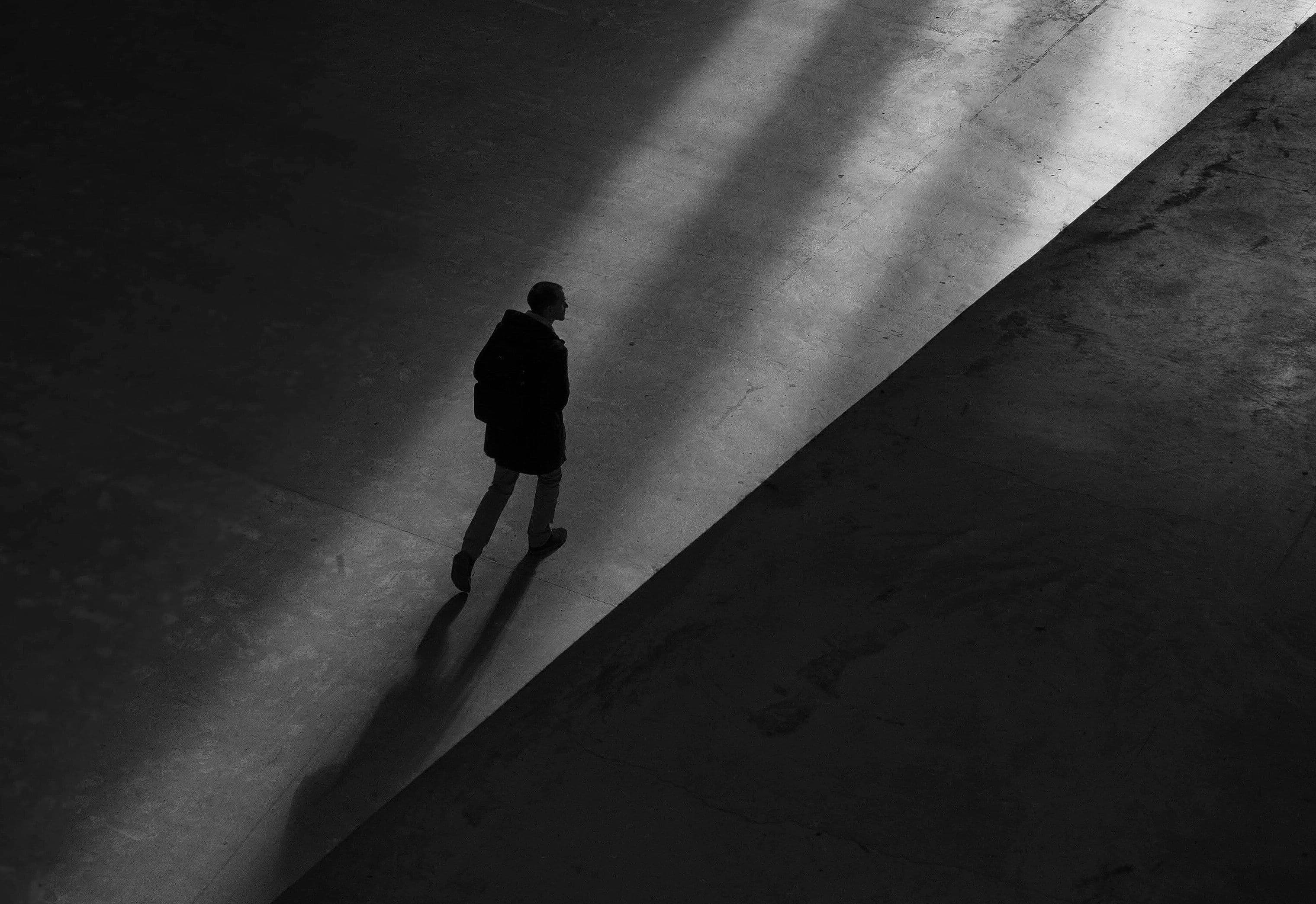
The Complex Beauty of Parents
As children, we grow up believing our parents are unshakable. But adulthood teaches us a humbling truth — they were just people, doing their best with what they knew, what they had, and the world they lived in.
Sometimes I recall moments that confused me as a child: a decision that felt unfair, a silence that felt distant, a discipline that felt too much.
But as I grew older, and faced my own share of uncertainty, I began to understand. They weren’t always right — but they were always trying.
That realisation changes everything. Acceptance replaces judgment. Gratitude replaces regret. And love — love becomes quieter, deeper, more forgiving.
Legacy in Motion
When I look at my own children, or padawans, now, I see the circle turning. The same way I once watched my parents with curiosity and distance, my padawans now watch me — perhaps with the same mix of admiration and misunderstanding.
And I realise: one day, I too will be a memory. A photograph on a shelf. A story retold over dinner. A name whispered in prayer.
That thought doesn’t actually scare me. If anything, it reminds me to live in a way that deserves being carried high — and, when the time comes, to have my flaws buried deep in kindness.
Because one day, they too will stand where I am now, wondering what of me still lives quietly within them.

Final Whisper
Mikul dhuwur, mendhem jero. A simple proverb, but a lifelong practice.
It teaches us to honour, not idolise. To remember, not romanticise. To understand, not judge.
Our parents gave us life — imperfectly, beautifully, humanly. And now, through the way we live, we give life back to their memory.
Because to carry their honour high and bury their flaws deep is not about the past. It’s about who we choose to become next.
Radio is paused