The Best Investment After Retirement

Published at
29 Oct, 2025
Author
Gripastudio
After a lifetime of managing money, comes a quieter kind of investment — one that has nothing to do with markets, and everything to do with meaning.
It started with a familiar question over lunch and coffee. An old friend and client — someone I’d advised for years — had reached that milestone so many of us aim for. His business was thriving. His children were ready to take over. His financials were sound.
He looked content, maybe even a little relieved. But then, after a long pause, he asked,
“I’m ready to hand the business to my kids. But… what’s the best way to do it?”
I smiled and asked in return,
“What do you want to do next?”
He chuckled softly, eyes shifting toward his untouched cappuccino.
“That’s the thing… I still have no idea.”
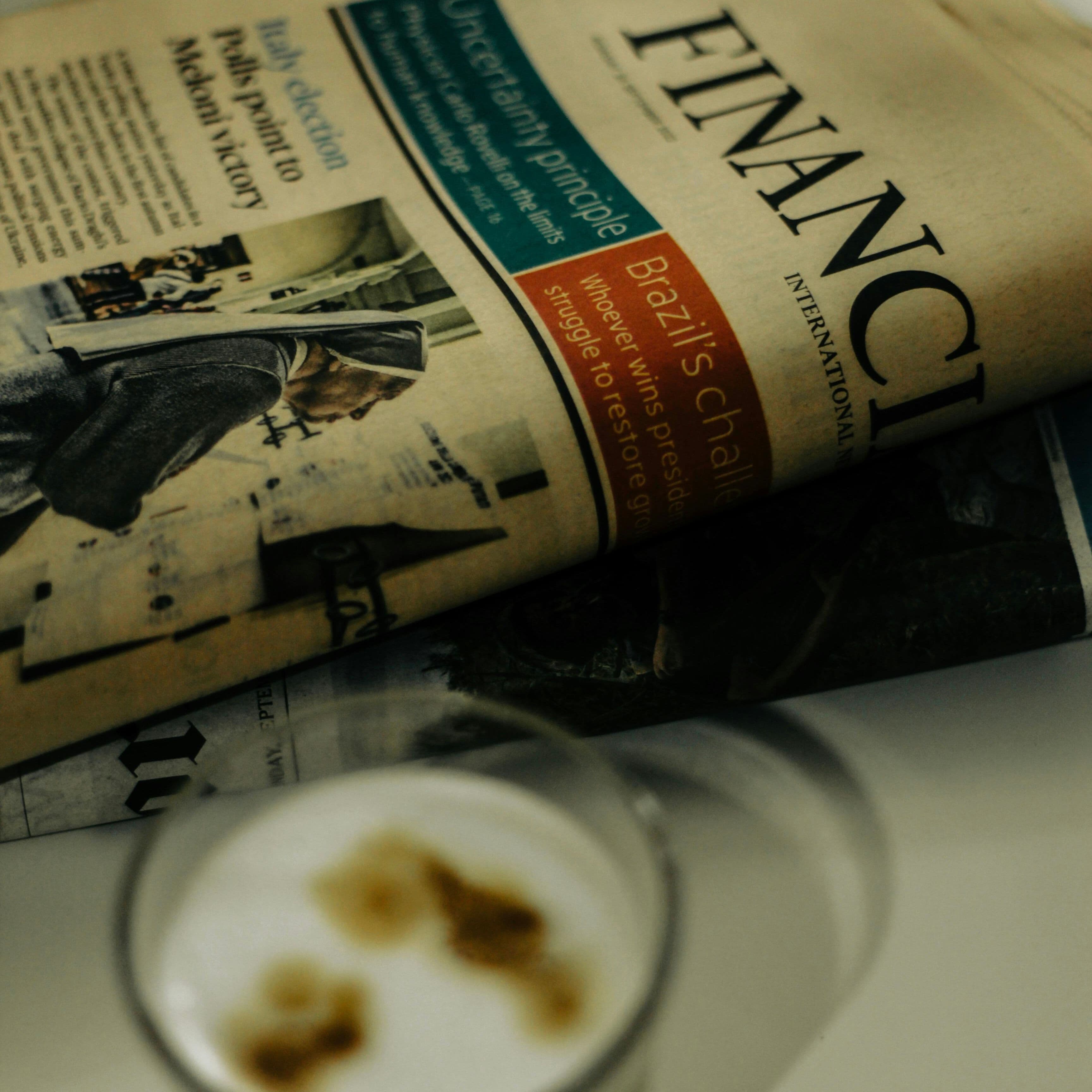
The Other Kind of Investment
That conversation lingered long after the coffee cooled. Because beneath his question was something deeper — one that every retiree eventually faces:
"What do I do with my time now that work no longer defines me?"
For decades, he had invested in assets — family ventures, stocks, property, savings. Now, the numbers were secure, the balance sheets steady. Yet, he looked uncertain.
It reminded me of something we often overlook: that retirement isn’t about managing money, but about redirecting purpose.
The most valuable investment after retirement is not financial — it’s personal.
The Shift from Growth to Grace
When we were younger, our investments were all about growth. Higher return, more property, more recognition. But in retirement, the strategy changes.
Financially, the investment objective is no longer to grow — but to preserve. Emotionally, it’s no longer to chase — but to choose.
We start managing our energy like we once managed portfolios — with care, with patience, with an eye for long-term return.
Because the truth is, time becomes the new currency. And how we spend it determines the real wealth of our later years.
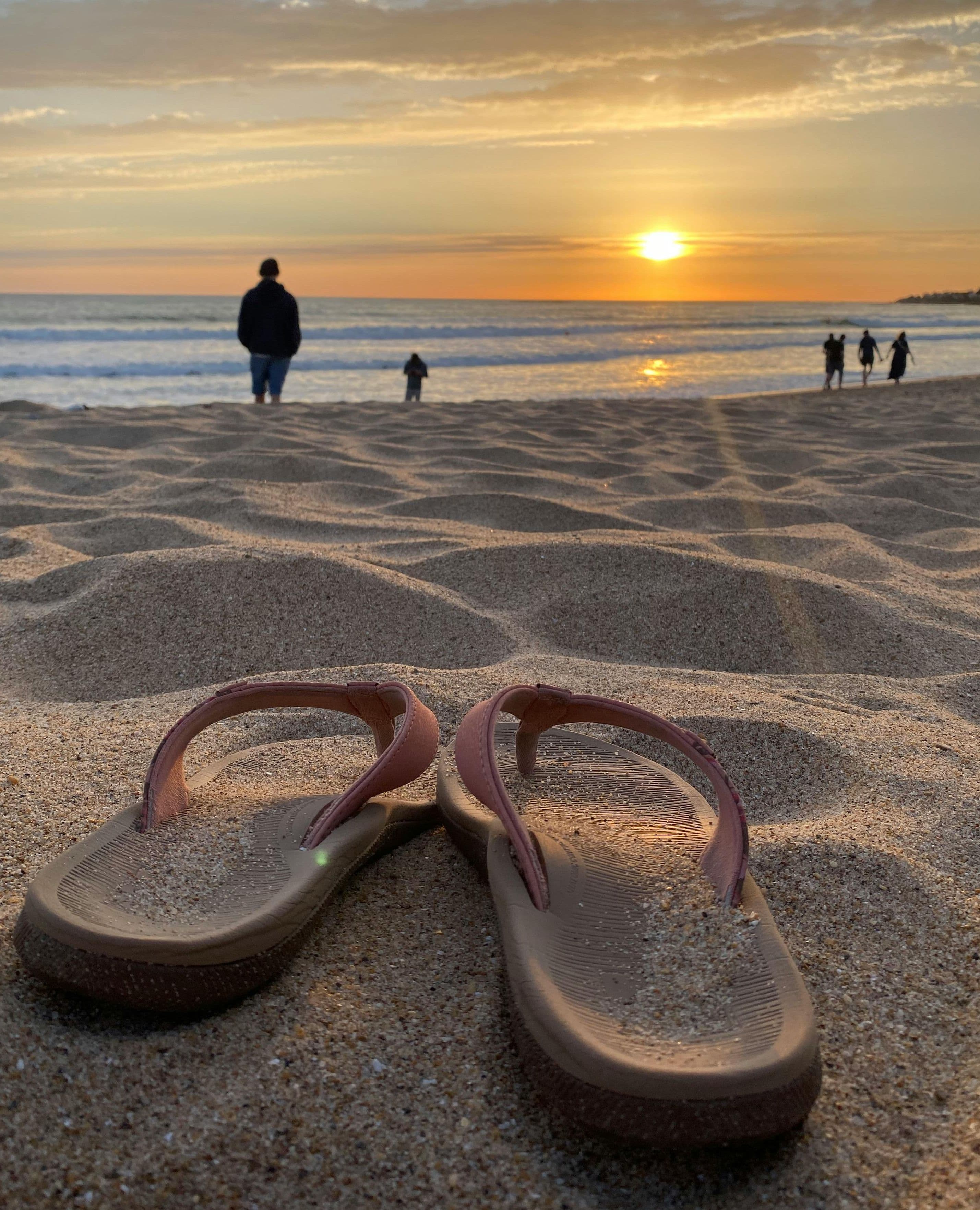
Investing in Me
Many retirees forget that “investing” doesn’t always mean giving — sometimes, it means returning. After years of giving our time to careers, companies, and families, there’s wisdom in turning some of that attention back inward.
Investing in yourself isn’t selfish — it’s restorative. It’s about rediscovering who you are outside of your job title, your routines, or your responsibilities.
It could mean learning something new simply because it excites you. It could mean taking that long-delayed trip, picking up painting again, joining a choir, or simply sitting quietly and listening to your own thoughts — something many of us haven’t done in decades.
The self we meet in retirement is often a stranger waiting to be reintroduced. And like any good investment, this one also takes time, patience, and care.
Investing in Others
Once you’ve filled your own cup, it becomes easier to pour into others.
This is the stage of life when the return on generosity grows faster than any fund. Mentorship. Volunteering. Teaching. Simply being available.
Invest in others not to feel needed, but to stay connected. Because when we give meaningfully, it reminds us that we still have something valuable to share — not just knowledge, but presence.
Some retirees find new joy in mentoring the younger generation. Others in helping communities thrive, or supporting causes that align with what they care about.
Whatever the path, contribution doesn’t have to be grand. Sometimes, the quiet consistency of kindness is enough to shape a legacy.
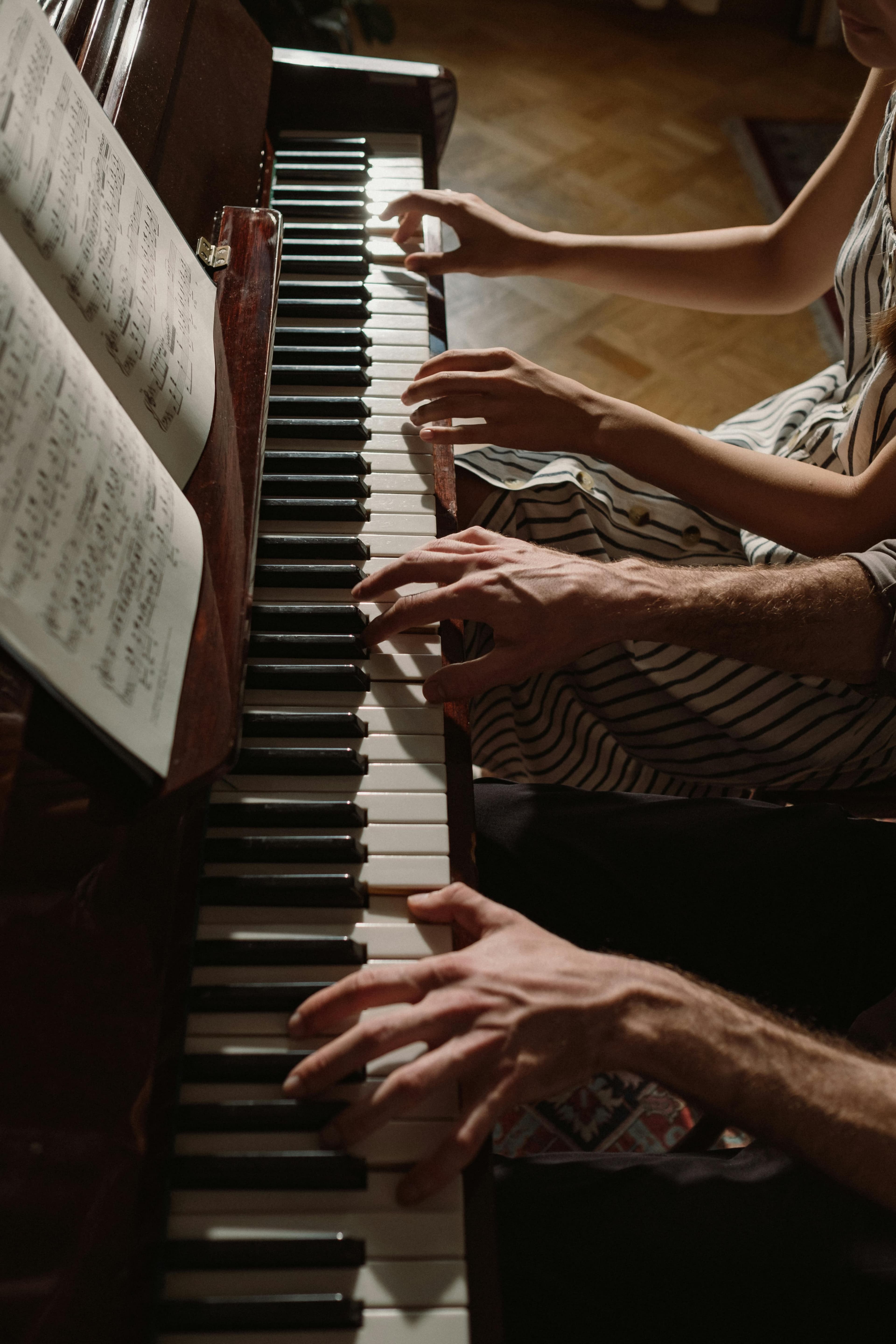
Investing in What Truly Matters
So, what’s worth investing in when the rat race ends? Maybe you'd consider these:
Relationships. The people who stood by us during the climb are often the same ones waiting quietly when we finally stop running. Invest in them — not with gifts or favours, but with time, stories, laughter.
Health. Not just the physical kind. Invest in peace of mind, in rest, in walks that don’t need a destination. The dividends are subtle but invaluable — clarity, calm, and gratitude.
Curiosity. Learn again — not for a career, but for joy. A new skill, a forgotten hobby, even a language you once dreamed of speaking.
Community. Find or build one. The quiet danger of retirement is isolation. But communities — however small — remind us that we still belong, still matter, still have something to give.
Legacy. Not in the grand sense of name or wealth, but in how we leave people better than we found them. The wisdom we’ve earned becomes a seed for someone else’s growth.
When Time Becomes the Return
I’ve come to believe that retirement isn’t about stopping — it’s about shifting. It’s the time to turn outward after decades of looking inward. To move from achievement to contribution, from success to significance.
And maybe that’s what my old client was really asking — not how to pass on a business, but how to pass on himself.
How to let go without feeling lost. How to find meaning beyond productivity.
When you start thinking of time as capital, you realise: it’s the only asset that doesn’t replenish.
So the question isn’t “Where should I invest?” but “Who and what is worth the rest of my days?”
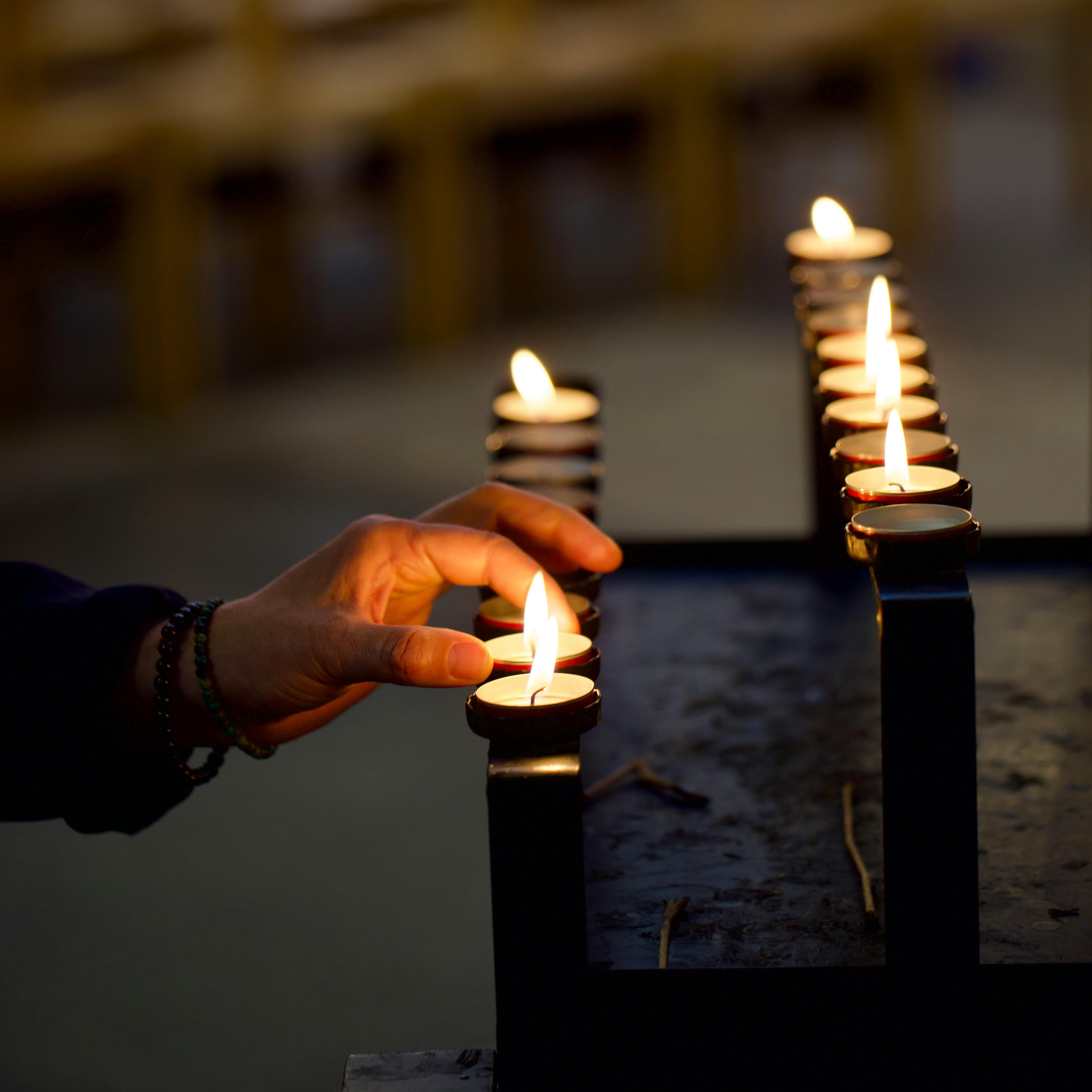
Final Whisper
The best investment after retirement isn’t in stocks, property, or funds. It’s in presence.
In me — rediscovering who I am beyond what I used to do. And in others — paying forward what life has already given me.
Because, as the Javanese saying reminds us,
Urip iku sawang-sinawang — life is a matter of perspective.
Retirement can look like an ending, or it can become a beginning. It all depends on how we choose to see it — and what we decide to do with the time that’s still ours to spend.
We’ve spent our lives learning how to make a living. Now it’s time to relearn how to make a life.
Because the real wealth of retirement isn’t in how much we’ve saved — but in how deeply we live what remains.
Radio is paused