Borrowed Land, Borrowed Time
Published at
20 Dec, 2025
Author
Gripastudio
Floods remind us that nature keeps memory. And perhaps our task, as one passing generation, is not to conquer the land — but to return it with care.
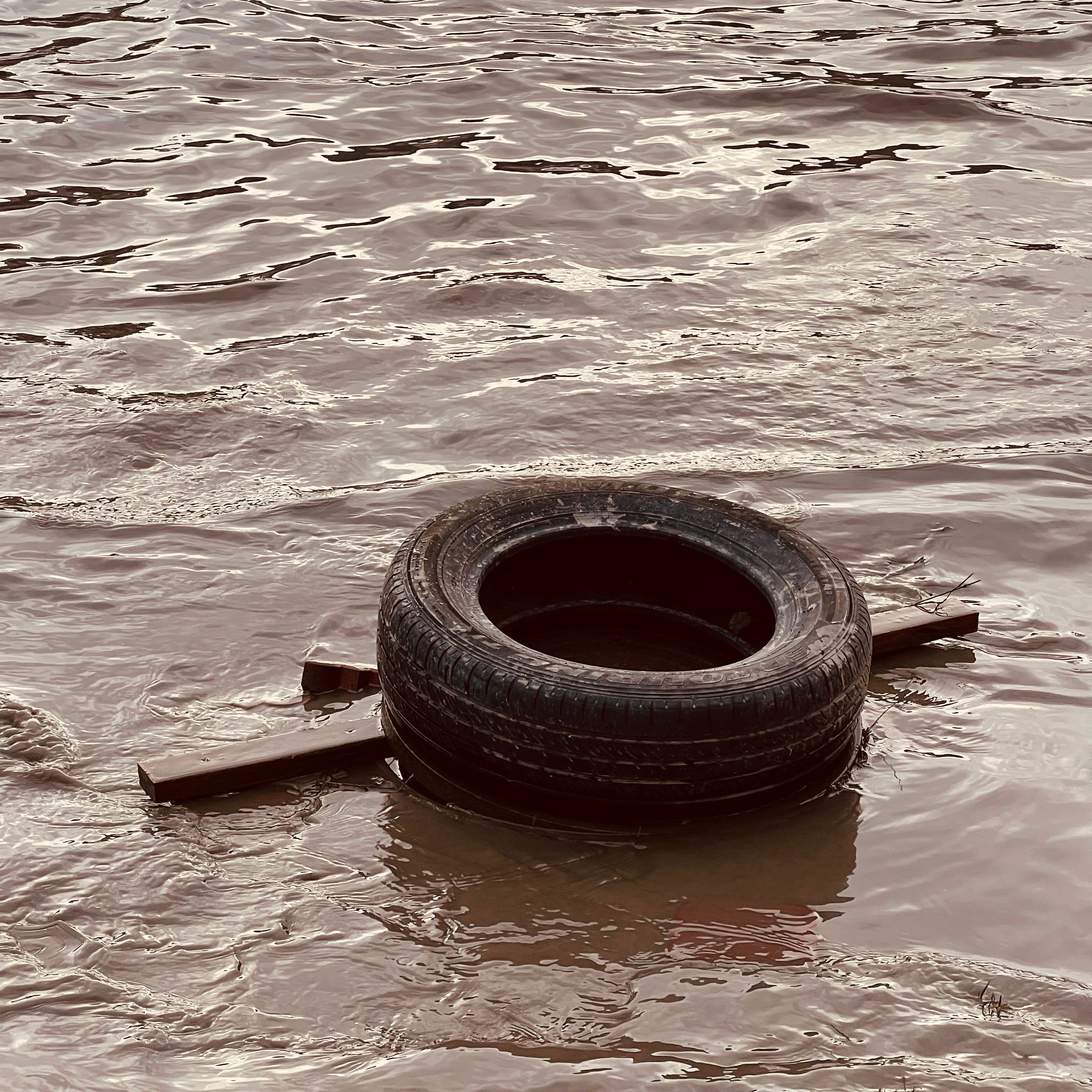
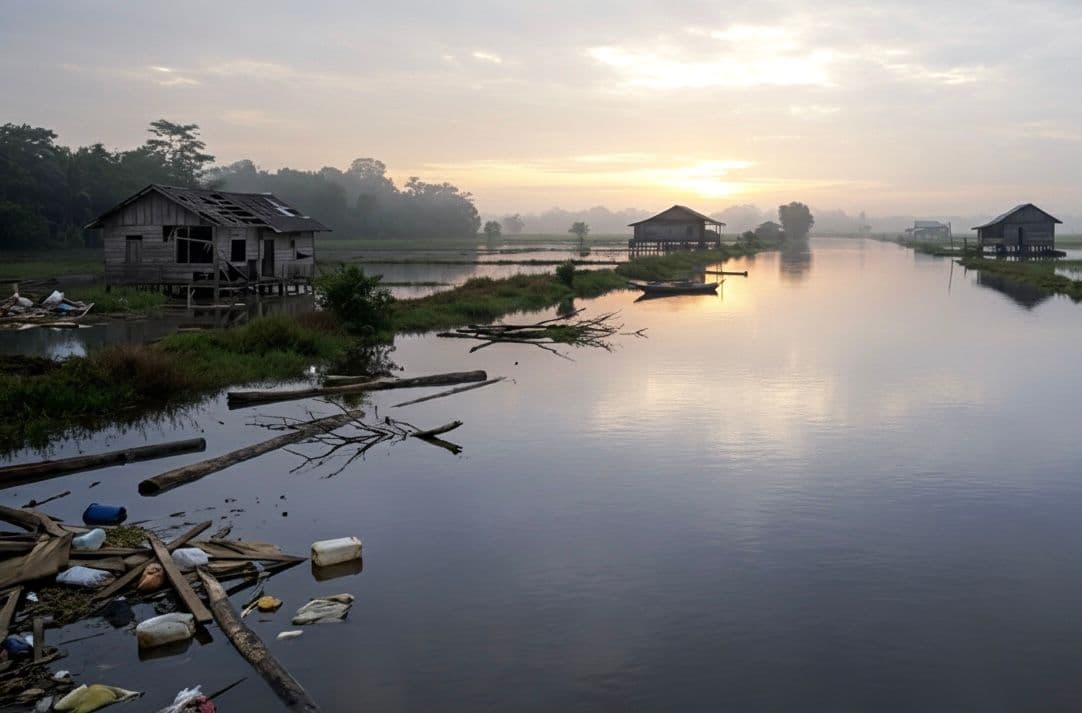
The news from Sumatera has been heavy these past weeks. Flooded homes. Displaced families. Brown water filling streets that once held laughter, routines, and ordinary life.
As a retiree, I find myself watching the news differently now. I no longer skim headlines; I sit with them. Let them linger longer than they used to.
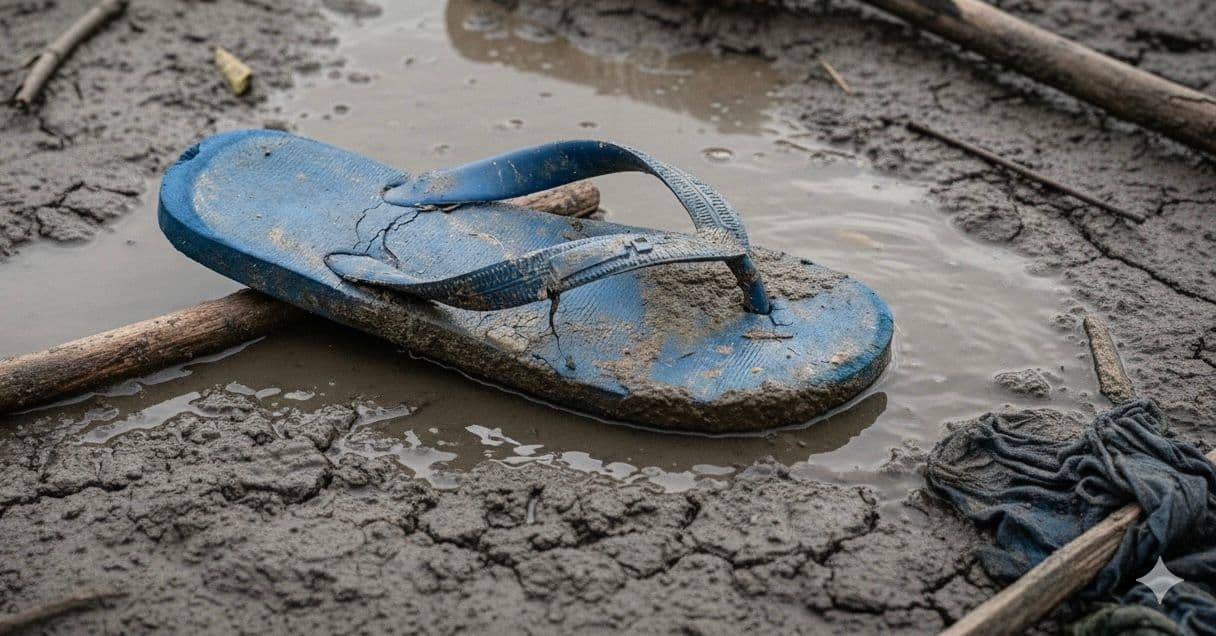
And beyond the news, I hear the stories first-hand — from relawan or volunteers who were there. Wading through water. Carrying supplies. Holding hands with those who had lost more than words could explain.
Listening to them, quietly, I begin to wonder — not only what happened, but what we may have forgotten along the way.
When Water Finds Its Way Back
Floods are not strangers to Indonesia. We are a nation shaped by rivers, rain, and monsoon cycles. For centuries, people built their lives by reading the land — by understanding water, respecting its rhythms, living alongside it.
But something feels different now.
The water rises faster, higher. With less warning.
Experts will mention many reasons — climate change, extreme rainfall, weakened drainage, fragile infrastructure. They are not wrong.
Yet beneath all of this lies a quieter truth: the land no longer holds water the way it once did.
Forests used to slow the rain. Roots held the soil together. Trees gave the earth time — time to absorb, to rest, to respond gently.
Now, many of those roots are gone.
Development, and the Questions We Rarely Pause to Ask
I understand the dilemma. Indonesia’s population continues to grow. People need homes. Jobs must be created. Infrastructure must expand.
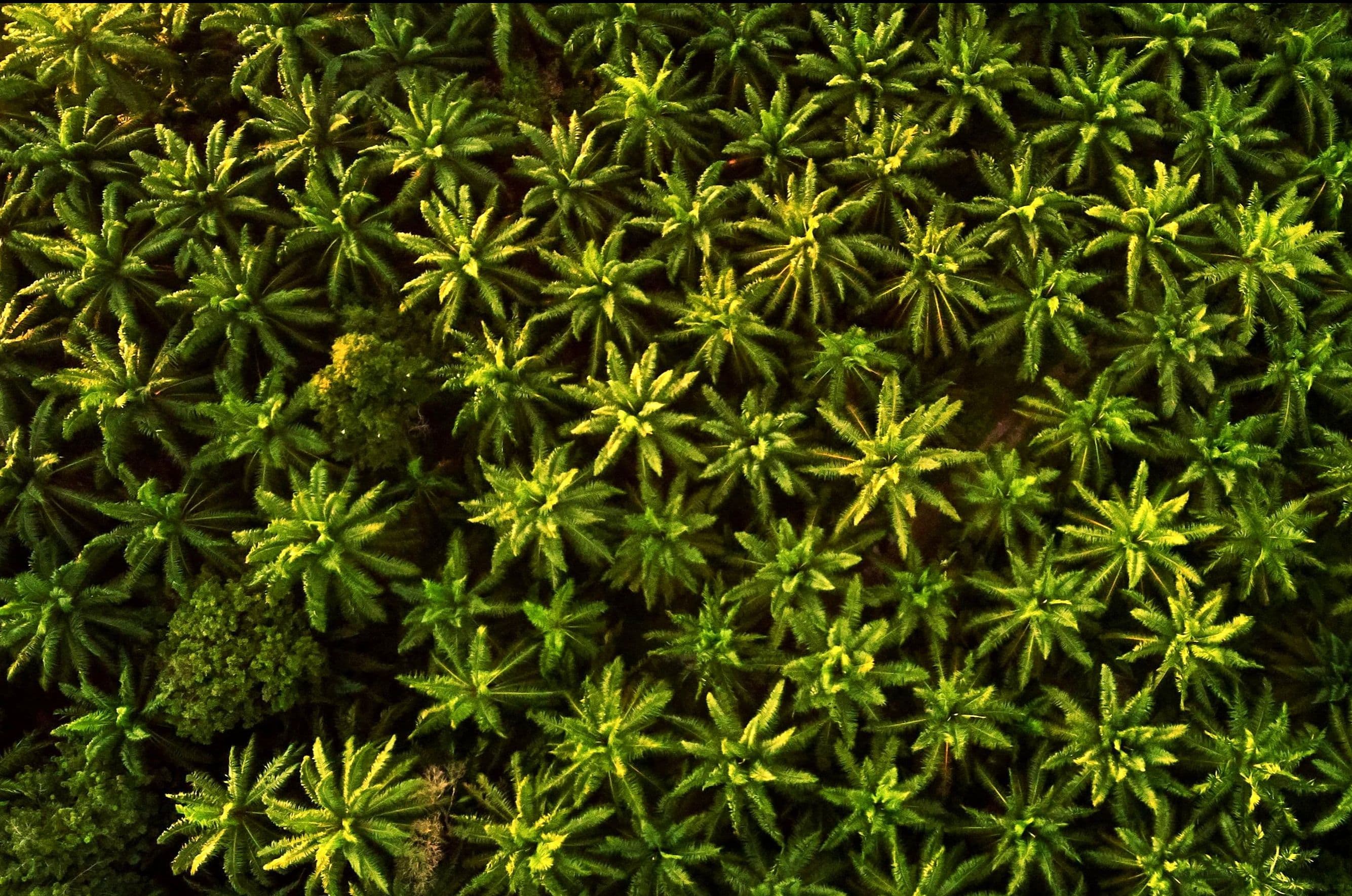
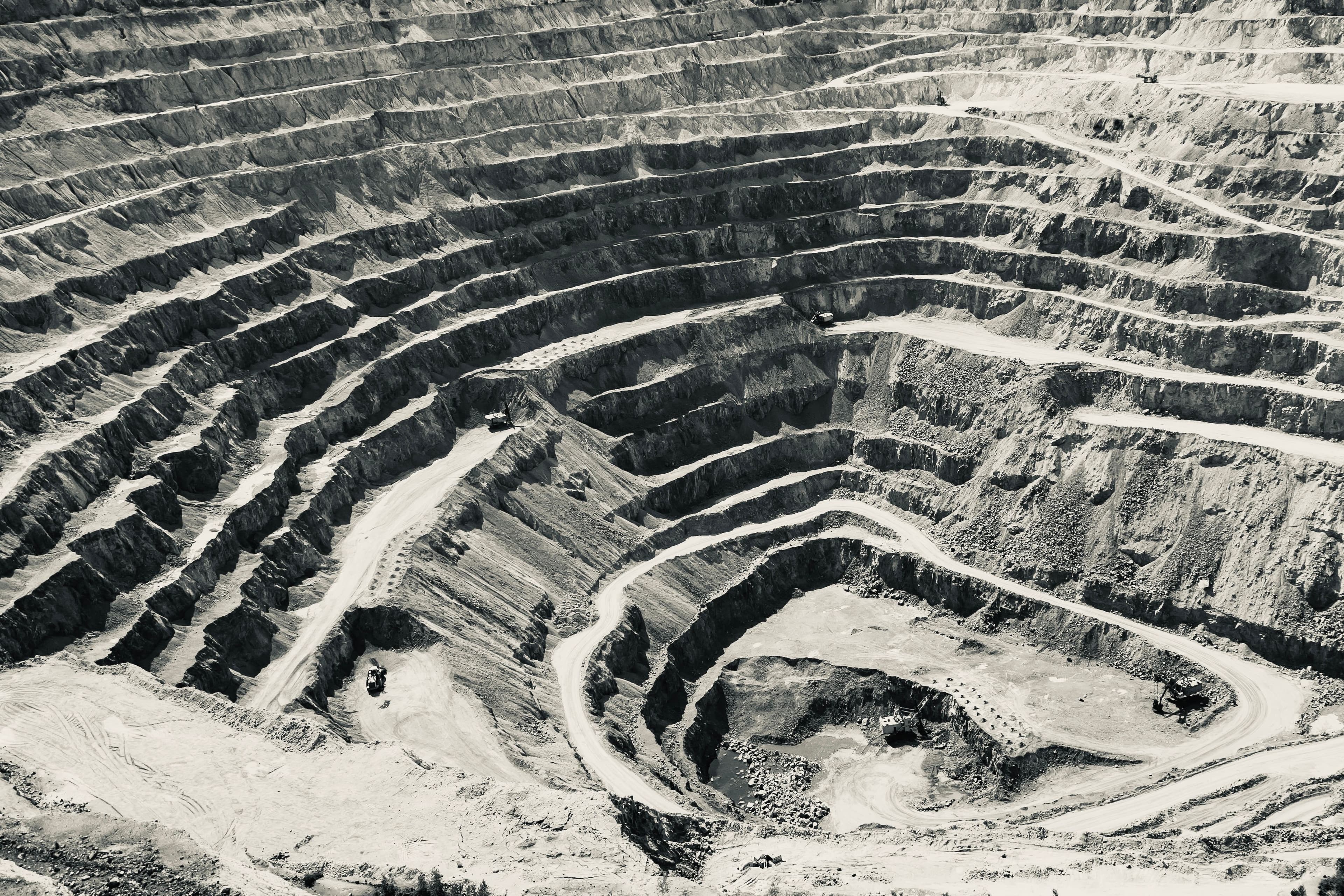
Deforestation, mining, land clearing — they often come wrapped in words that sound reasonable. Progress. Growth. National interest.
And yet, when progress forgets balance, something is always left behind.
Nature does not argue. It does not negotiate. It simply responds.
With floods. With landslides. With consequences that arrive quietly, then all at once.
A Memory of My Father
Watching these images from Sumatera brings back a memory of my father.
During my active years, when investment discussions filled many days, there were certain opportunities he never felt comfortable with.
Not only mining or aggressive forestry, but anything tied to extracting what nature had quietly held for generations — oil, gas, water, land, resources that once taken could never truly be returned.
Businesses that measured success by how much could be pulled out, rather than how much was preserved or restored.
Once, after listening patiently to explanations about returns and projections, he said something that stayed with me:
“What gives us the right, as one generation, to take freely from a land that has stood for centuries — a land that was never meant to belong to us alone?”
At the time, I didn’t fully understand why that question mattered so much to him. It sounded philosophical. Almost impractical.
Only now, watching rivers overflow and forests thin, do I see it more clearly.
He wasn’t rejecting growth. He was asking something simpler — and harder:
Just because we can take, does it mean we should?
Memayu Hayuning Bawana
There is an old Javanese wisdom we once reflected on: Memayu hayuning bawana.
To nurture the harmony and beauty of the world. To make life better — not only for ourselves, but for everything that lives alongside us.
It sounds poetic. Almost gentle.
But its meaning is firm.
It reminds us that we are not here to dominate the earth. We are here to care for it — for a while.
Stewardship, Not Ownership
Perhaps our deepest mistake is a quiet one: believing that ownership gives us permission.
Permission to take. Permission to clear. Permission to forget restraint.
Yes, we may hold the title. Yes, our names may appear on documents.
But ownership does not make us masters.
It makes us responsible.
Floods have a way of reminding us of that.
Rivers do not recognise boundaries on maps. Rain does not obey contracts. The land responds only to how it is treated.
We may be owners in name, but we are not masters of the earth.
We are merely guests, walking briefly on borrowed ground.
And perhaps more than guests, we are meant to be stewards.
Caretakers of something precious. Temporary. Never truly ours to exhaust.
Balance Is Not the Enemy of Progress
Caring for nature does not mean rejecting development. It means approaching it with humility.
It means restoring what we take. Slowing down where we must. Thinking beyond the next quarter, the next term, the next generation.
It means asking not only, “Can we do this?” but also, “Should we — and what will remain after?”
Because when balance is ignored, the price is not paid in reports or numbers, but by families standing knee-deep in water they never caused.
What We Can Do, Quietly
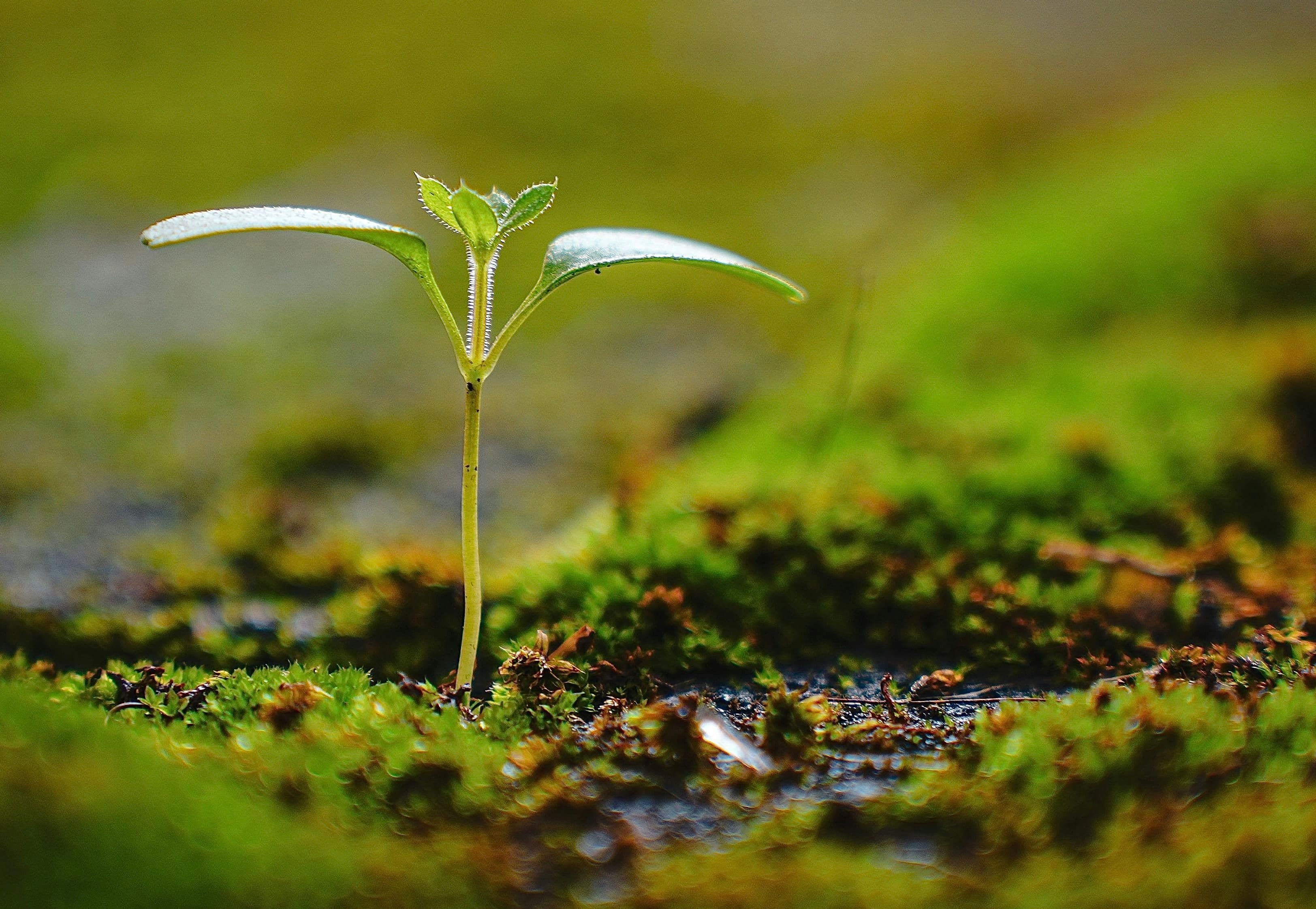
It’s easy to feel small in the face of something this vast.
But stewardship rarely begins loudly.
It begins in what we support. What we invest in. What we normalise. What we choose to question.
In choosing leaders and businesses that understand limits. In teaching our children that nature is not an obstacle to overcome, but a partner to live with.
Sometimes stewardship begins simply with remembering — remembering wisdom, we once carried, but slowly traded for convenience.
Final Whisper
The floods in Sumatera are not just a natural disaster. They are a reminder.
That the earth keeps memory. That balance matters. That progress without care always asks to be paid back.
My father never lectured about the environment. He didn’t campaign or protest. He simply chose not to profit from things that were never truly his.
Now I see that as his quiet way of living Memayu hayuning bawana.
To stay humble before something far older than us. To respect what feeds us, shelters us, and cannot defend itself. To move with love, not entitlement. To remain grateful for what we are allowed to use — not own.
And to be honest about greed.
Greed does not always shout. More often, it whispers — and sounds reasonable. It says, “just a little more.” Until enough quietly disappears.
Stewardship begins the moment we notice that voice, and choose to pause. To limit. To restore.
Because this land, this water, these forests — they are not truly ours.
They are borrowed. From centuries past. From generations yet to come.
And one day, we will return them — whether we are ready or not.
The question is no longer if, but whether we will dare to look back at what we leave behind.
Will the land remember our care, our restraint, our gratitude — or will it remember only our greed?
Radio is paused